
1834 – Mexico’s territorial governor of Alta California Jose Figueroa signs the Mexican Decree of Secularization which effectively ends mission control in California. The estancia still had residents but felt increasing pressure due to the unrest between the Native communities, pressures from the military, and the expansion of new California residents. Missions up and down California were losing their land and buildings to hold civic administrations.
- Why Secularize? The missions and presidios (where soldiers stayed) had a reciprocal relationship: the soldiers protected the missions, and the missions supported the presidios with food, clothing, supplies, and laborers. Some researchers suggest this relationship was contentious because of the military’s jealousy of the power the padres had, both “over the issuance of land grants and the tight rein on the vast labor force which the Indians constituted” (Campbell 1969). Missions often heard of the bad behavior of the soldiers and were reluctant to give away any authority to the Native people. Because of this, the civil authorities on the frontier constantly pressed the Mexican government to secularize the missions. This inner contention coupled with the slow waves of revolution that were occurring in Mexico against Spanish rule, depleted the Mission of its resources, as they frequently responded to requests of the soldiers for food and money, and later places to stay. When the Mexican government won, the large landholdings that the missions held were sold off to private owners in 1843. This would fund Mexican defense against US expansion, and the destruction of the Mission system.
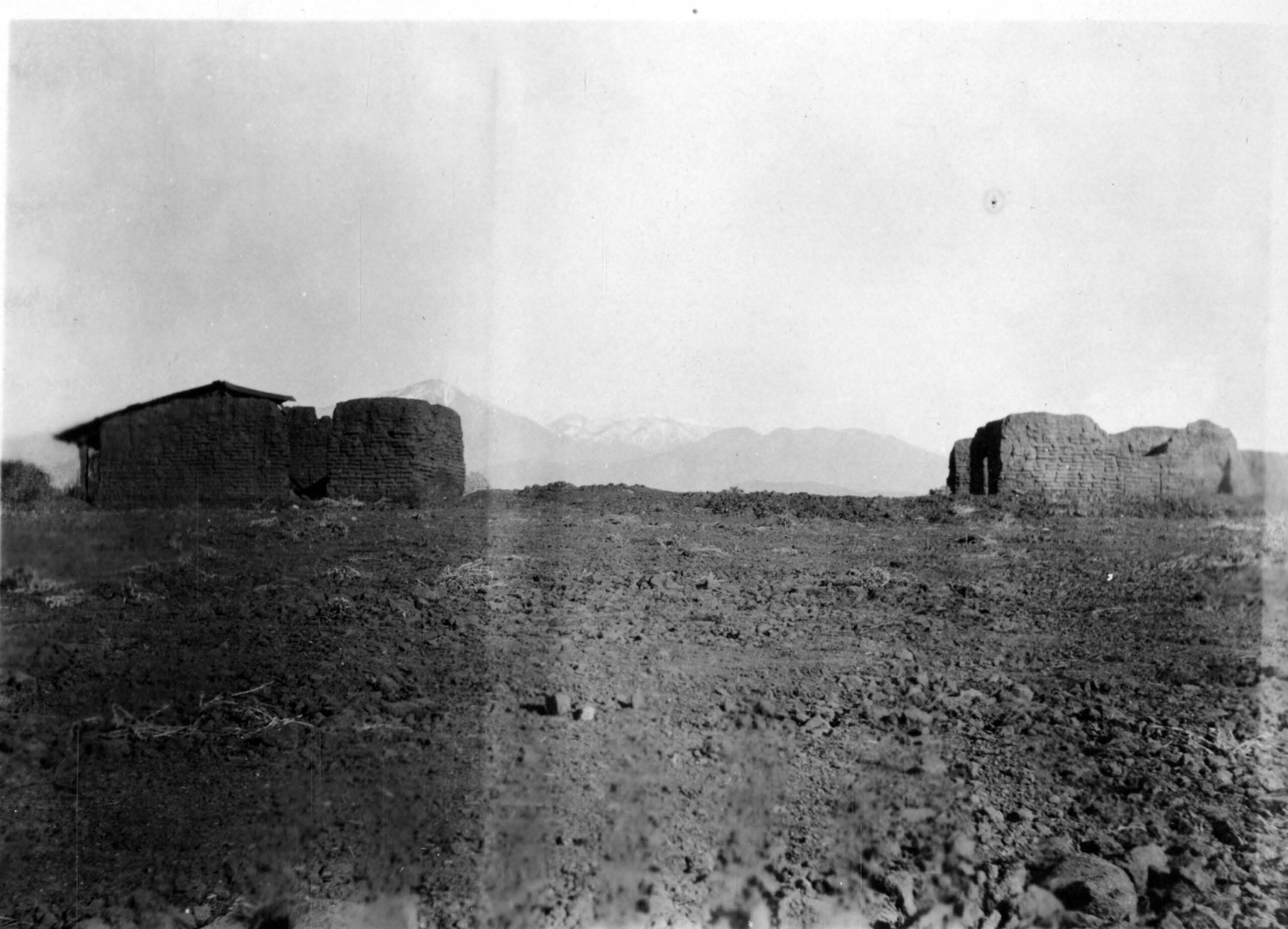 1834 – After only 4 years of occupancy, the estancia is abandoned after a Native uprising that set the buildings on fire.
In 1835, new colonists enter quickly and develop the area, driven by the promise of the existing infrastructure, namely the Mill Creek zanja. As early as 1835, the Latino families like the Lugo and Bermudez families were among the first to stake claim in Redlands area and settle here during the Mexican Era.
Maria Bermudez first person to make and sell her goods in LA. Maria Armenta Bermudez opened the San Bernardino Valley’s first store near the Lugo property, where she sold her corn and grain crop. She hauled her goods to Los Angeles to sell.
In 1842, Brothers Jose del Carmen Lugo, Jose Maria Lugo and Vincente Lugo, along with their cousin Diego Sepulveda, have been granted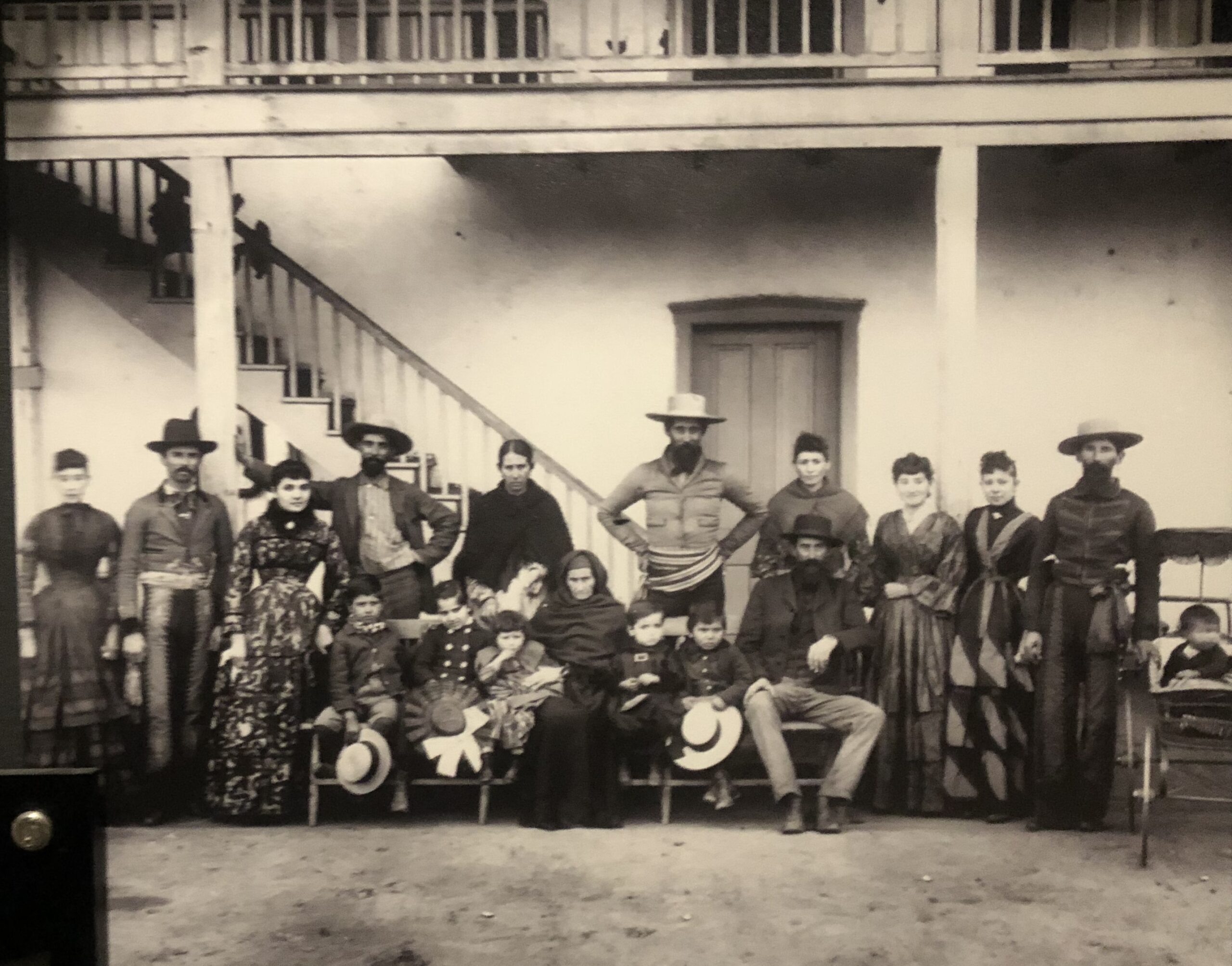 title to Rancho San Bernardino by the Mexican Governor of California, a land grant of 35,509 acres, which included the abandoned estancia, a grist mill, a tile kiln, and a lime kiln. Jose del Carmen Lugo repairs the structures and lives at the estancia for 10 years. The Native villages of Guachama and Yucaipa’t were also a part of this land grant. Without any “legal” claim to these traditional lands, except for proof of prior occupation, Maara’yam (Serrano) People, and many other Tribes, worked as cowboys and farmhands throughout the ranchero system. Lugo Family ^
